
When planning a funeral, one of the most important decisions to make is whether to have the casket open or closed. It can be a difficult decision for many, especially those who are grieving.
If you have to choose between a closed casket vs. an open casket, our guide will explain what you should consider. We’ll explain the basics of both choices and the key factors to determine which is best for your ceremony.
Understanding Closed Casket Funerals
A closed casket funeral keeps the casket sealed throughout the visitation and funeral service. Families often choose this option for deeply personal and meaningful reasons.
Preserving Memories
One common reason for a closed casket is the desire to remember a loved one as they were in life. When illness or an accident alters their appearance, families may feel it’s more comforting to preserve positive memories rather than display the physical changes.
Some people express their preference for a closed casket during their lifetime, so others remember them at their best. Families honor these wishes as a final act of love and respect, ensuring the focus remains on celebrating their life and achievements.
Cultural and Religious Influences
Cultural and religious beliefs can also guide this choice. Some faiths view the physical body as a temporary vessel and emphasize the spiritual journey of the soul. A closed casket aligns with these teachings, encouraging mourners to focus on the eternal rather than the physical.
Protecting Emotional Well-Being
The emotional impact on loved ones, particularly children or elderly relatives, is another critical consideration. For some, viewing the body is traumatic or overwhelming, especially if the deceased experienced a prolonged illness or passed away under tragic circumstances. A closed casket can help protect others from distressing images, allowing them to grieve more comfortably.
Understanding Open Casket Funerals
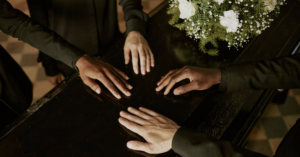
An open casket funeral allows family and friends to view the deceased during the visitation period and sometimes during the funeral service. This traditional practice can bring comfort to mourners seeking closure.
A Chance to Say Final Goodbyes
The primary benefit of an open casket is the opportunity for loved ones to say their final goodbyes. Seeing the deceased at peace can help family and friends process the reality of death more gently. While difficult, this visual confirmation provides the closure many need to begin healing.
Open casket funerals also allow mourners to express thoughts, feelings, or words they didn’t get to share with their loved one. Standing beside the casket, many people find emotional relief in saying final thoughts, apologies, or messages of love. This one-sided conversation can help resolve unfinished emotions and ease the grieving process.
Honoring Traditions and Culture
For many families, open casket funerals are a deeply rooted tradition. Generational practices often highlight the importance of viewing the deceased to honor the dead and support the living. These customs create a sense of continuity and connection to ancestral traditions, providing comfort during times of grief.
Emotional Considerations When Choosing
When deciding between a closed vs. an open casket for a funeral service, you should consider many emotional factors for yourself, the family, and mourners. Are you and your loved ones ready to see the deceased, and will it cause excessive emotional distress?
Assessing Emotional Readiness
Deciding whether family members are emotionally ready to view a deceased loved one requires open, honest conversations and careful thought. Some people find comfort in seeing their loved one at peace, while others prefer to remember them as they were in life. Neither approach is right or wrong—it’s simply a matter of how individuals process grief and loss differently.
Special Considerations for Children
Children require particular care in this decision. Their understanding of death may be limited, and viewing the deceased could either provide a sense of closure or leave them with lasting traumatic memories. Parents and guardians should consider factors such as the child’s maturity, prior experiences with loss, and emotional resilience. In some cases, giving children the option to decide, with proper preparation and support, will produce the best outcome.
Supporting Vulnerable Individuals
Elderly family members or those with health conditions may find viewing the deceased emotionally overwhelming. For some, the shock of seeing their loved one deceased could lead to health complications or severe emotional distress. Families should weigh these risks carefully while respecting the individual’s desire to say goodbye in their way.
The Appearance of the Deceased
The physical condition of the deceased also plays a major role in this decision. When someone dies peacefully, such as after a brief illness, viewing can bring comfort and closure. However, deaths involving trauma, extensive disease, or prolonged suffering may result in distressing appearances for family members to witness.
Practical and Logistical Factors
There are also many practical and logistical factors to consider to determine which is best for your funeral service. The condition of the deceased is the number one deciding factor in whether an open casket is possible or advisable. While funeral professionals can achieve remarkable results through skilled preparation, some circumstances make viewing inadvisable.
Understanding the Costs of Open Casket Funerals
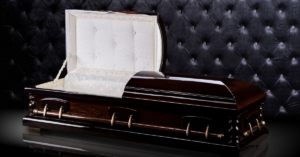
Open casket services typically involve additional preparation, including cosmetic work and the use of special products to ensure the deceased looks peaceful and natural. While these services can provide comfort to grieving families, they do come with added costs.
Timing and Logistical Factors
Timing can also impact whether an open casket is feasible. If death occurs far from the funeral location, during extreme weather, or if there are delays between death and the service, preservation becomes more challenging.
Making Your Personal Decision
Every family faces unique circumstances when deciding between closed and open casket services. There’s no universal right answer—only what feels appropriate for your specific situation, beliefs, and needs. This decision should honor the deceased's wishes while considering the family’s emotional needs, practical factors, and cultural or religious traditions.
The Importance of Open Communication
Discussing preferences openly among family members is key to ensuring everyone’s concerns are heard. Some families choose a compromise, such as a limited viewing for the immediate family, before a closed casket service for the broader community. This approach allows those who need a moment of viewing to have it while respecting others who prefer not to.
Guidance and Support from Henry Funeral Home
At Henry Funeral Home, we’re here to guide you through this decision-making process. Our experienced professionals can explain your options, considering your specific circumstances while respecting your family’s wishes and traditions. We understand how overwhelming these choices can feel during a time of grief, and we’re here to provide the support and clarity you need to move forward confidently.
Honoring Your Loved One With Dignity
The choice between a closed or open casket is deeply personal, both offering a meaningful way to honor your loved one while bringing comfort to those in mourning. At Henry Funeral Home, we’ve supported families with compassionate, personalized service for over four decades.
Whether you choose a closed or open casket, we handle every detail with care and respect, ensuring a heartfelt farewell that provides closure and celebrates life. Contact us today to discuss your options and begin planning a service that meets your family’s needs.

© Copyright 2025 - Henry Funeral Home - All Rights Reserved - Privacy Policy
